
Normal School Life
(1915 - 1942)
The North Bay Normal School opened in 1909 (just six years before Harry Ricker arrived as the Science Master) with firmly entrenched courses and procedures from the start, set directly by the Department of Education.
Unfortunately, few photographs of the classroom setup and pedagogy exist for this inter-war period. However, in examining the existing pictures in the Ricker collection (including his personal copies of yearbooks from 1915 to 1943) it became clear that teaching was only part of the duties faced by members of staff at the NBNS, and were candidly recorded.
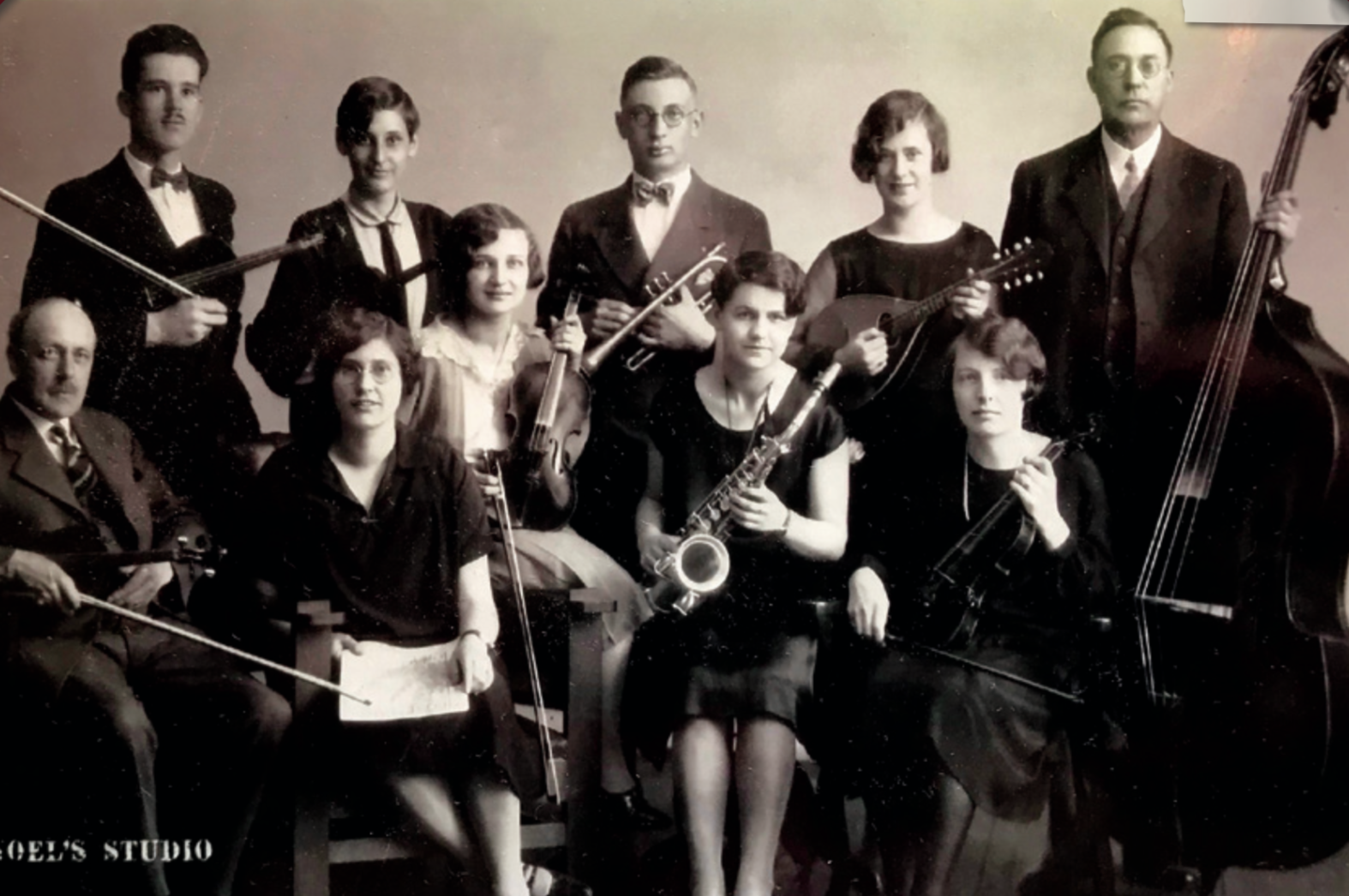
Extra-curricular duties that were expected for both “normalites” (as the teacher candidates were called) and masters included working on various student committees (yearbook, literary society, and so on), social events field trips, and sports. For Ricker, this meant playing the double bass for the orchestra, leading the birding club, the camera club, and the ‘games’ executive as well as taking part in all special events that were held on the school grounds. This was considerable work…. But with a city in more isolation than today, what else was to be done through the North Bay winter?
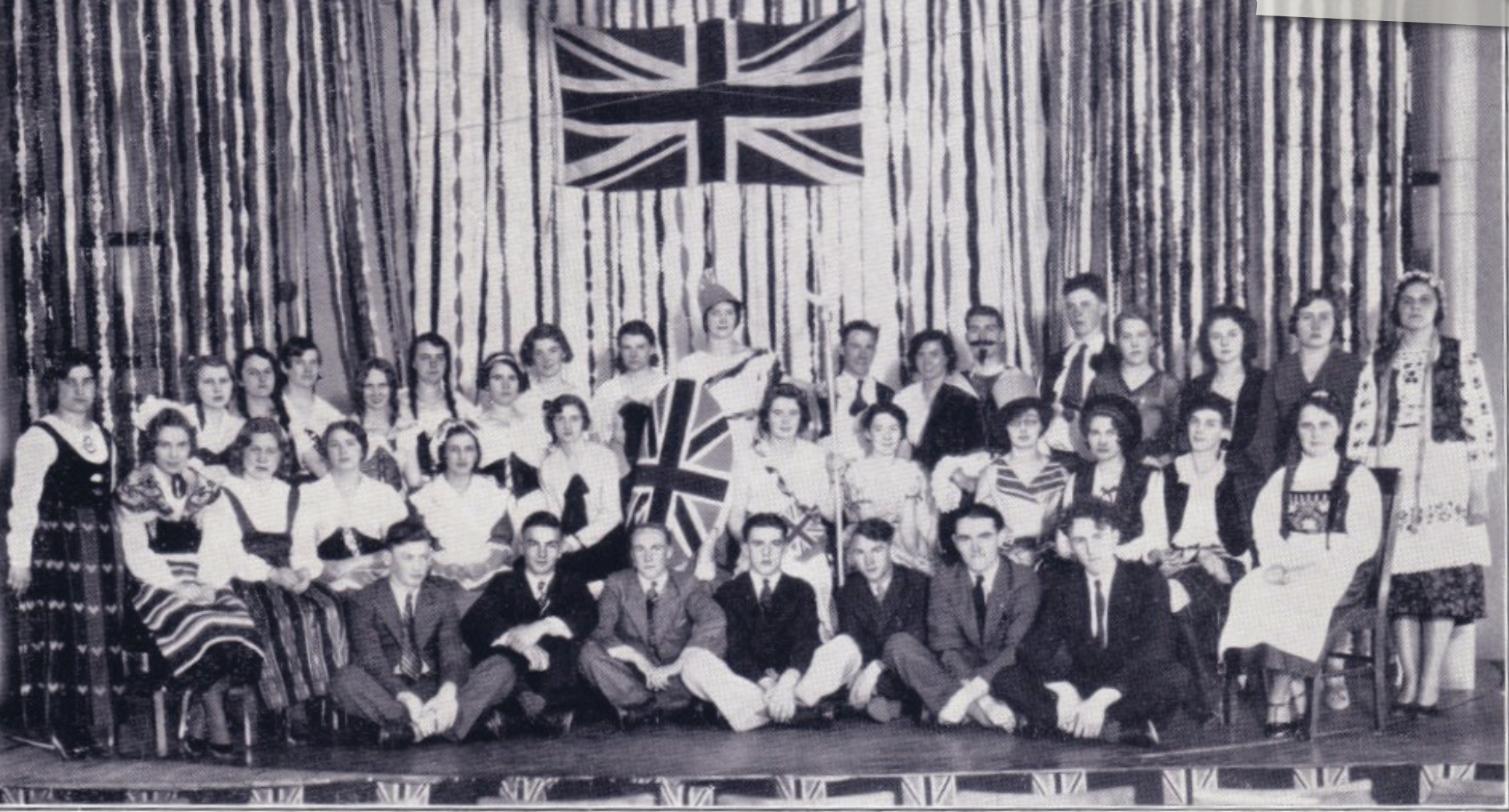
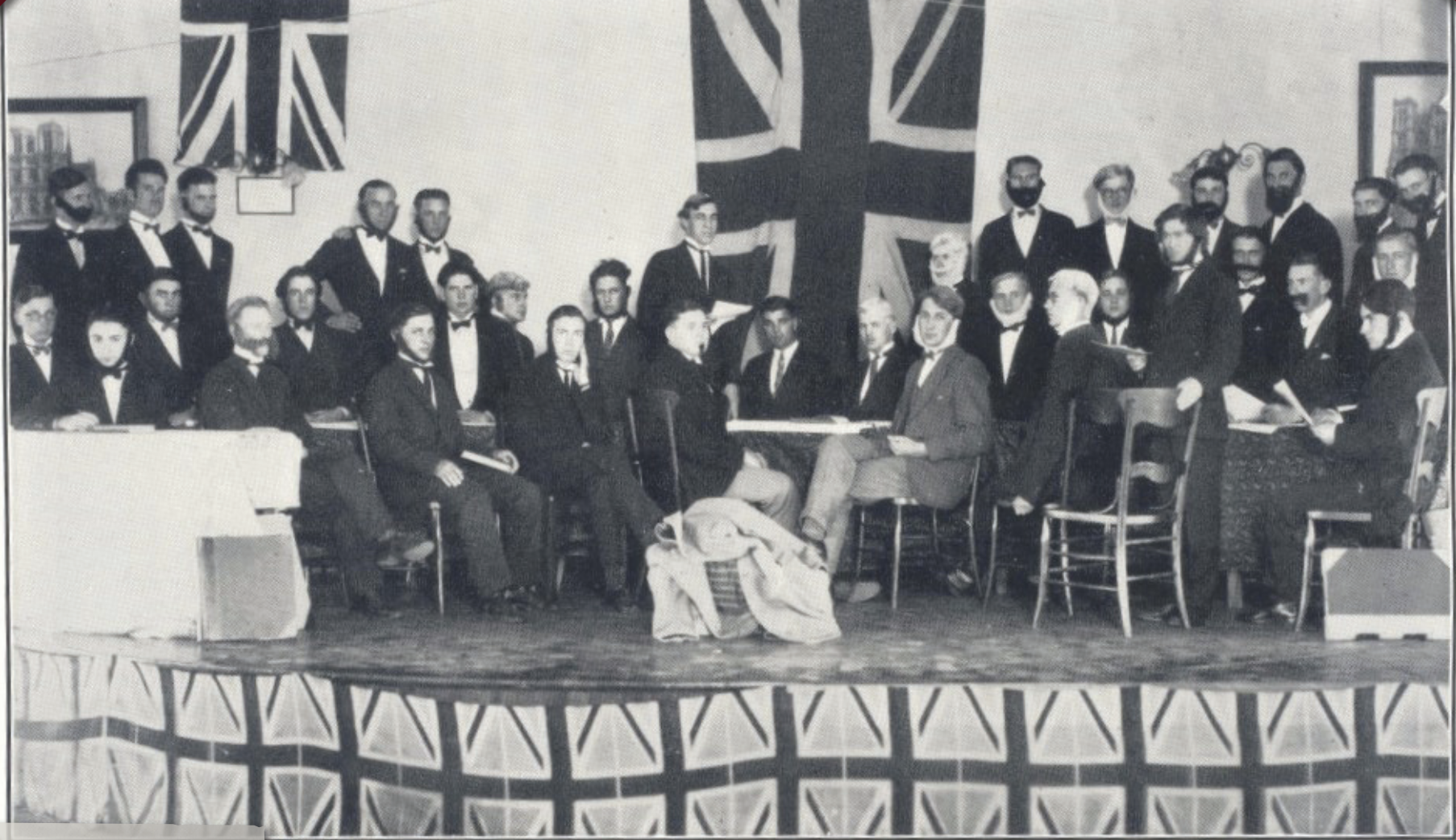
Patriotism
Each year between the Wars, the NBNS would host an “Empire Day” event on May 23rd consisting of patriotic songs and speeches. Some years there would be a “Pageant of Nations,” with students representing countries within, or allies of the empire. Other years, a human tableau would be displayed, like of the Fathers of Confederation.
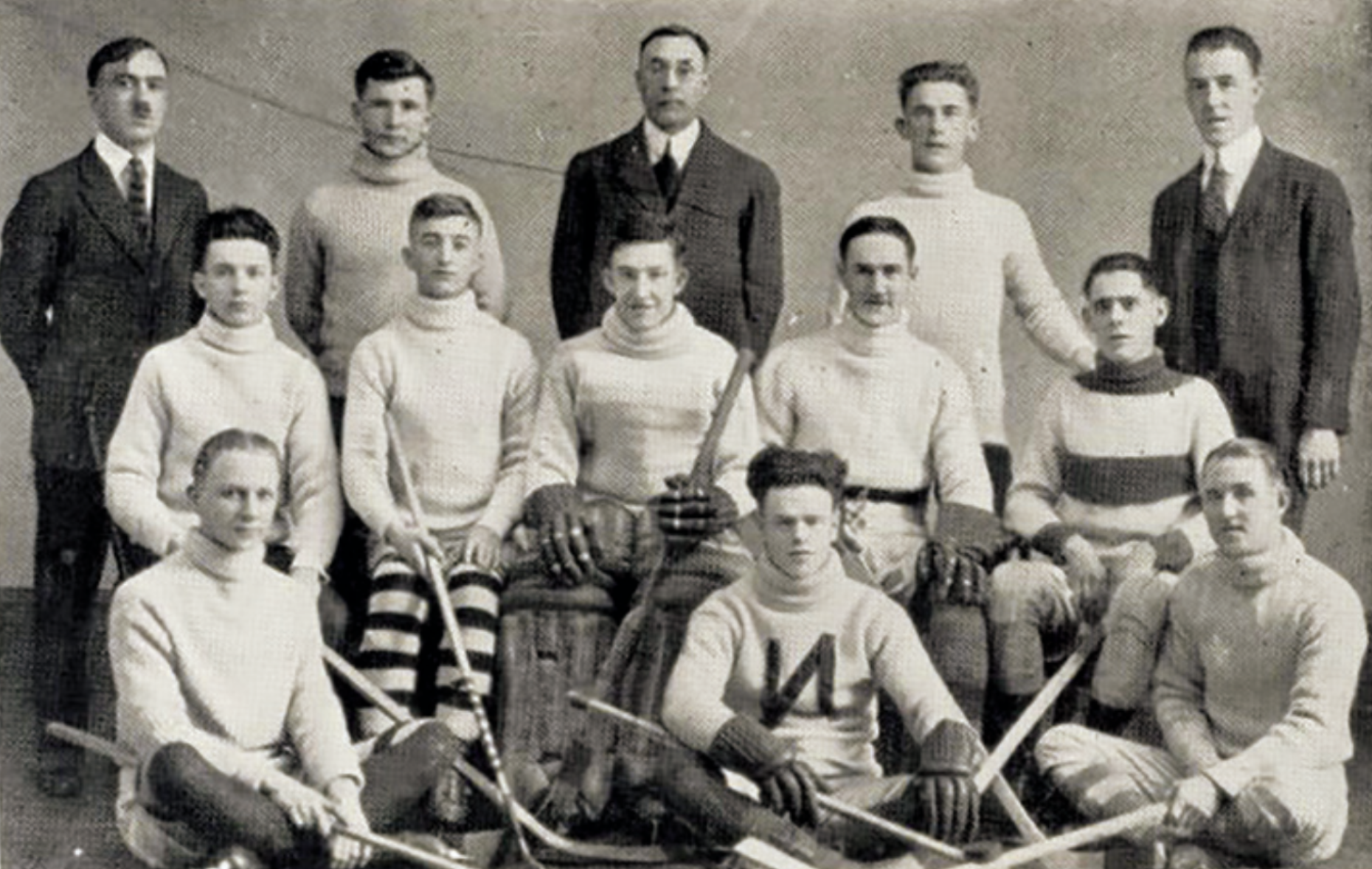
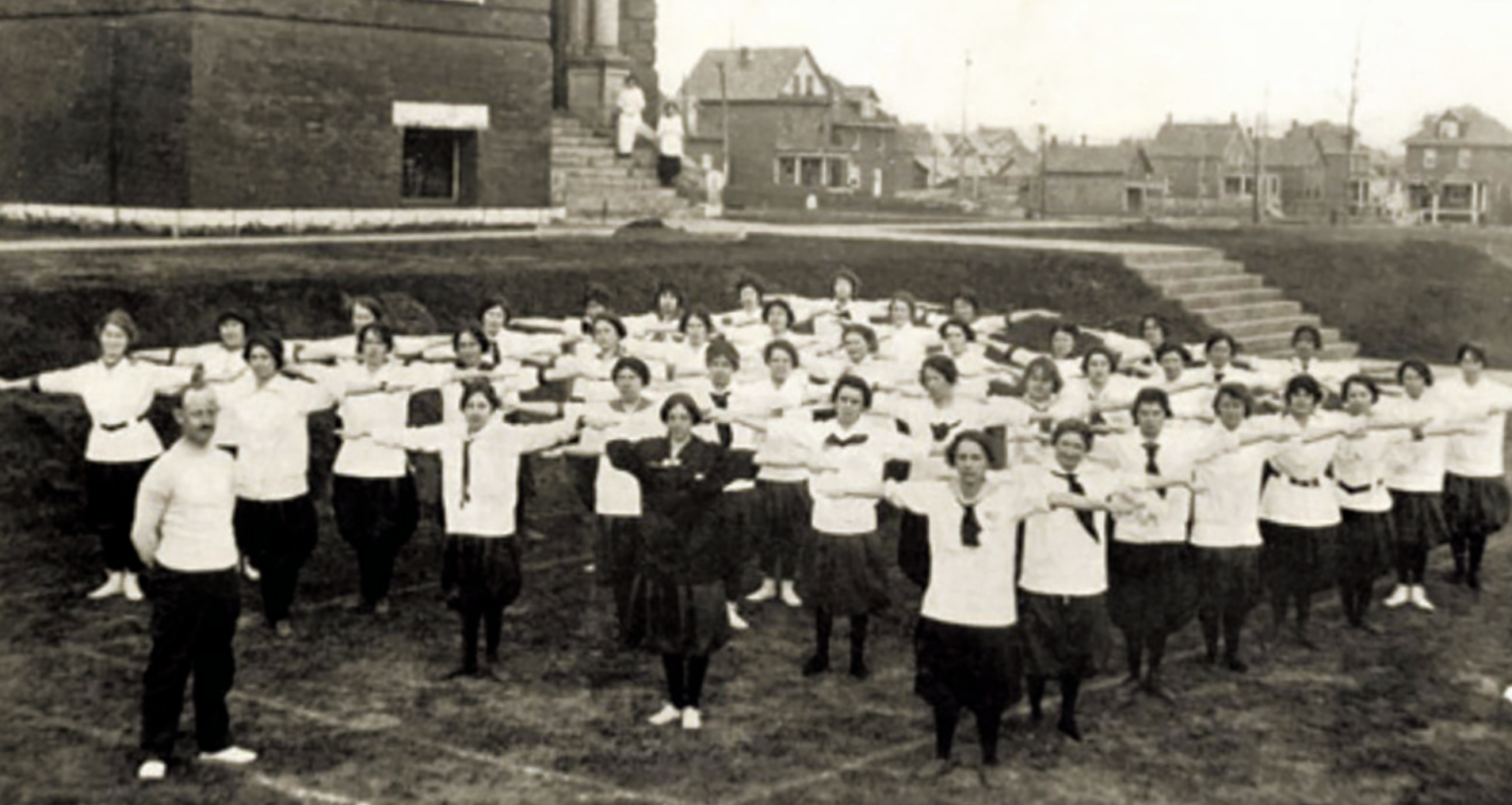
Exercise, Drill and Sports
Throughout this period, sports played a large part of a teacher’s education (as they would have to lead their own students eventually) and each master was required to coach at least one team. As seen in the photographs throughout this period, all sports were segregated by sex - with some ‘off limits’ for men, others for women.
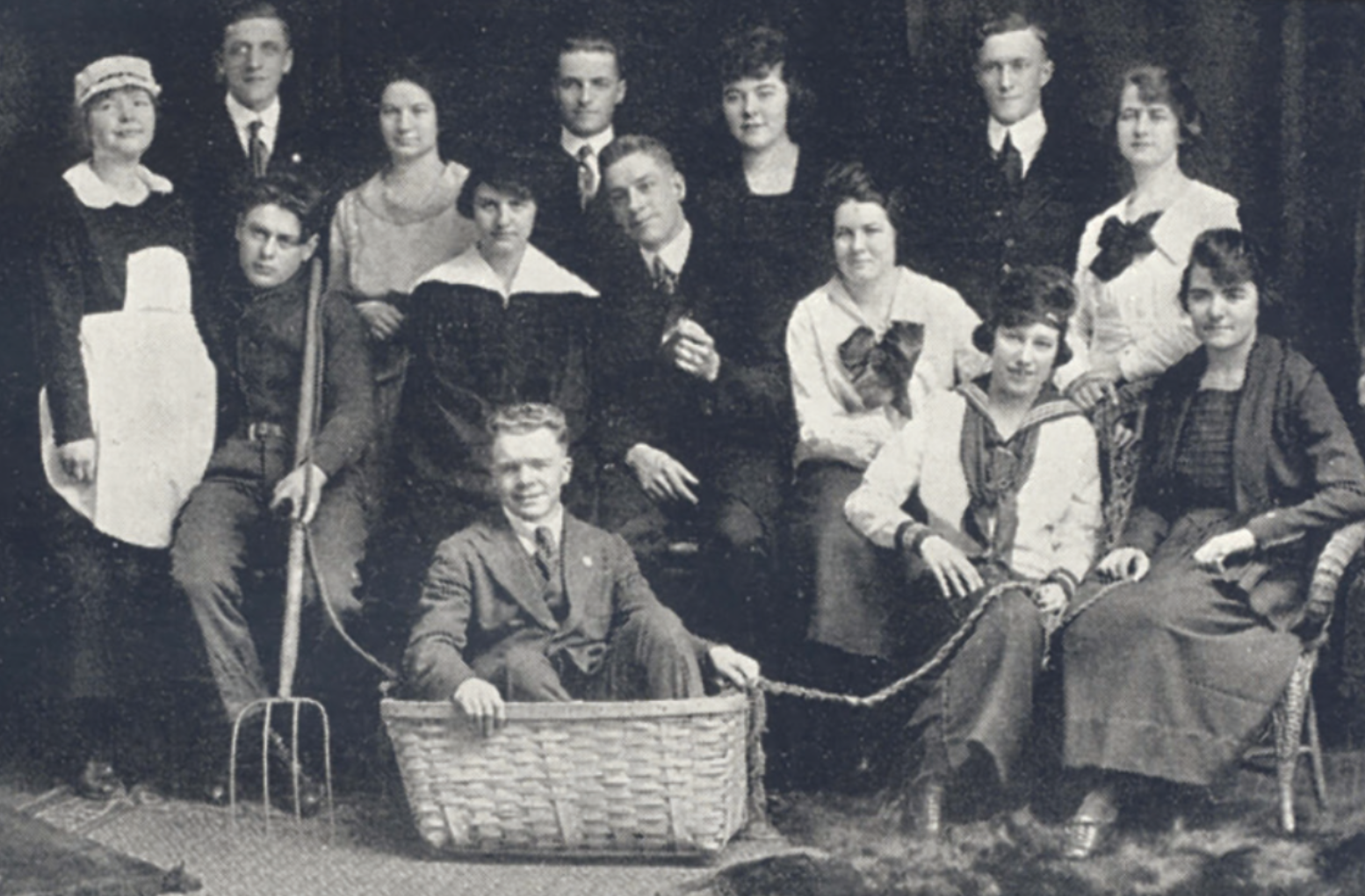
Plays & Operettas
Once normalites became teachers, it was just expected that their duties would naturally include leading any dramatic events throughout the school year. For this reason, each year during the interwar period, a play or an operetta was taken on and performed for the public by the NBNS — to teach by example. As seen by the photos and programmes, most of the wokrs came from the traditional British canon, written for a young audience, or were satires on the life of the teacher.
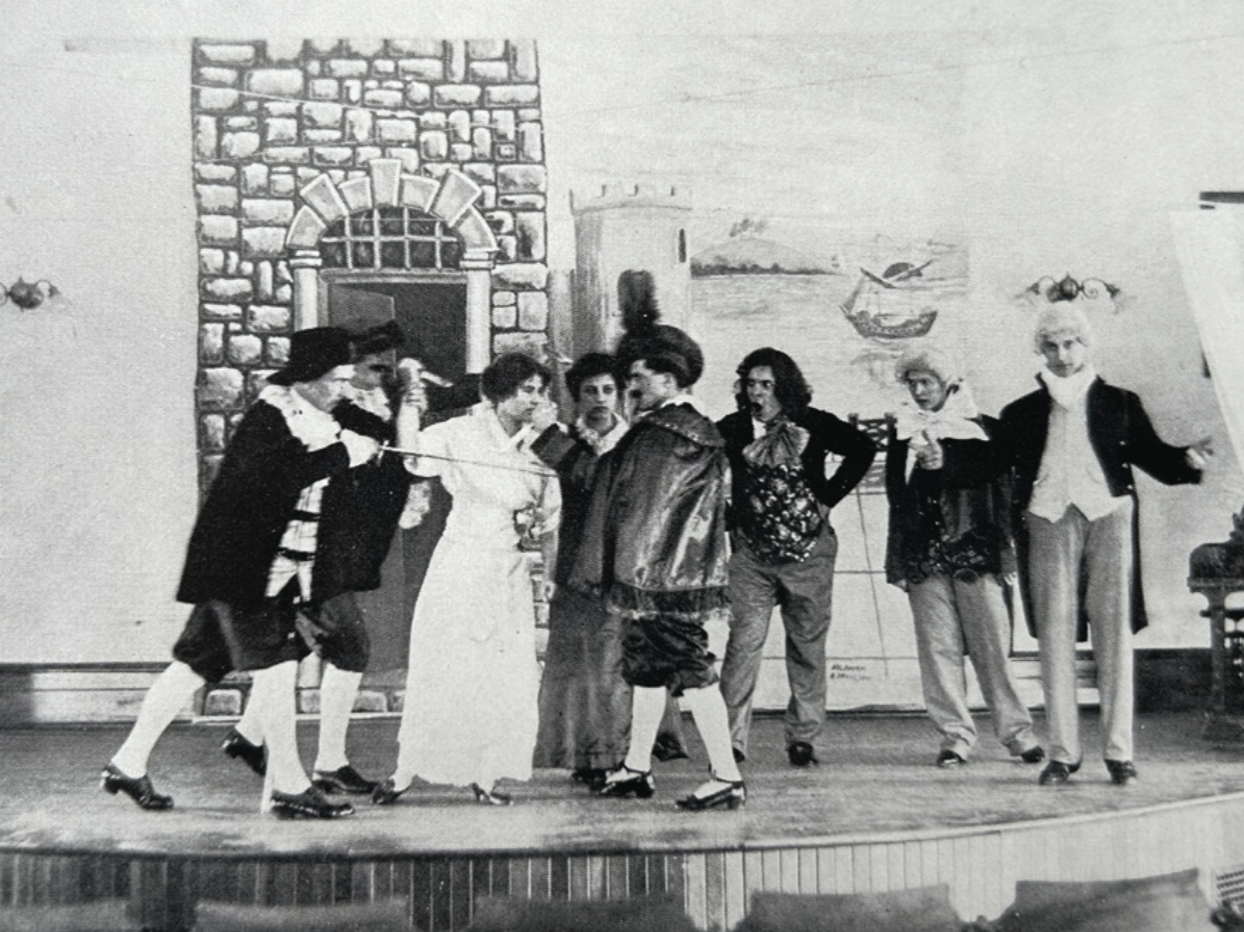
“The Critic”
According to Cuthbert Gunning in North Bay: World War I and the Decade that Followed, “In the auditorium of the Normal School the evening of March 22, 1915, the student teachers put on a performance of the play The Critic by [Richard] Sheridan [first staged 1779]. Raised was $125, this sent to the Red Cross in Toronto.” (p. 41)
Field Trips and Excursions
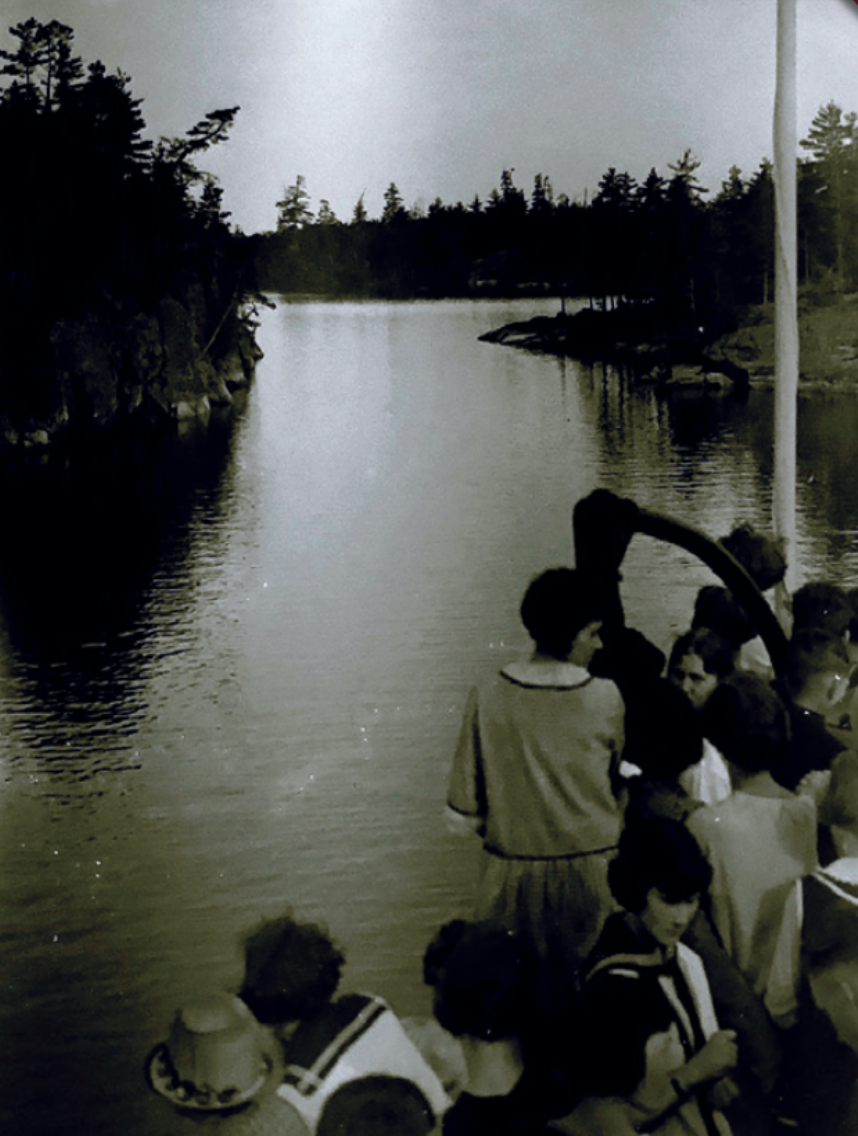
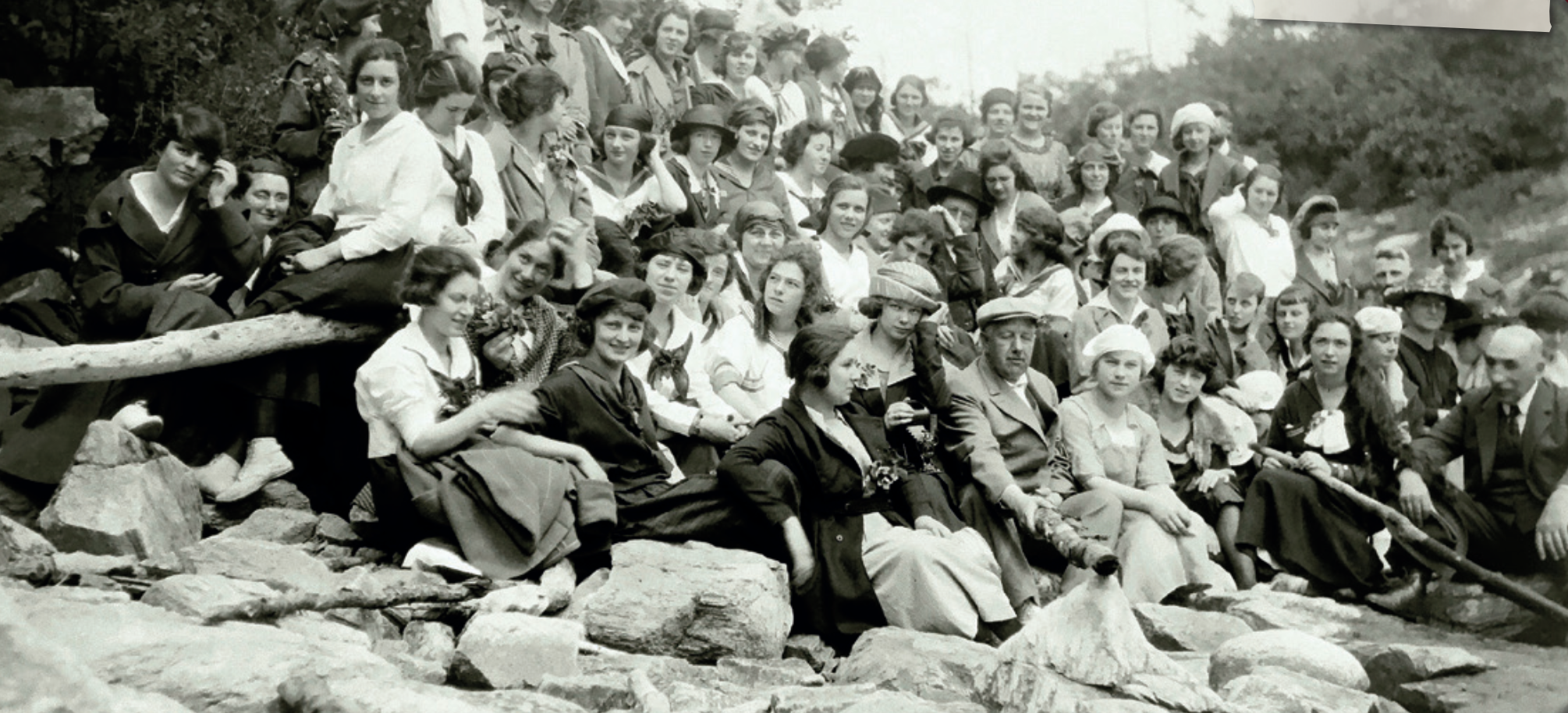
Always considered main events of the school year, the various excursions taken helped to train student teachers in the art of leading a field trip. Photographed here is a school boat-trip to the French River in 1921on the Northern Belle (a seeming safety nightmare by modern field trip standards). The gentleman in the three-piece suit sitting with the students is NBNS’s first principal, E.C. Casselman (to the extreme right).
The Orchestra
Founded by Harry Ricker and the music instructor, J.G. Gatenby in the early 1920s, the orchestra grew and played at most events hosted by the school over the years. Ricker first played the violin and then the double bass.
Dancing Demonstrations
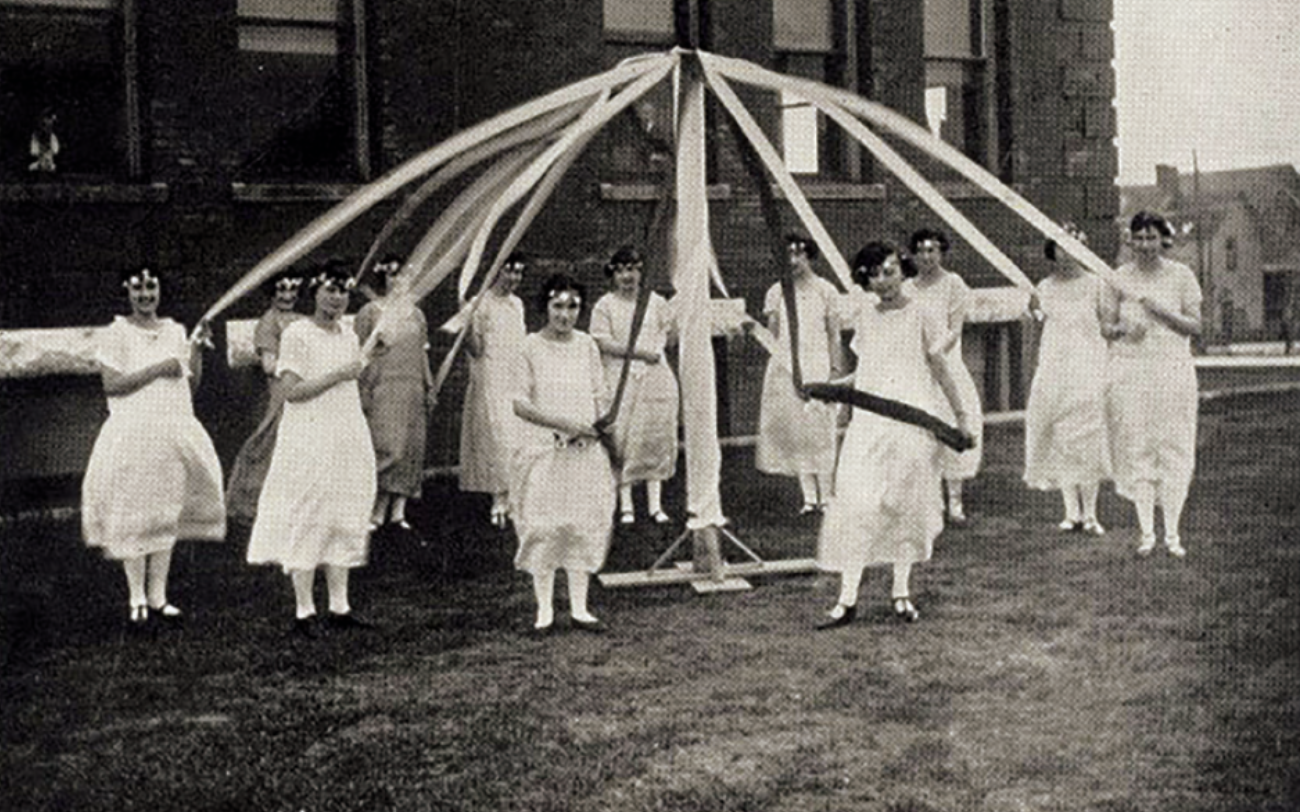
While ‘uncontrolled’ dancing was deemed unseemly for a teacher (of the Ten Commandments for Teachers laid out in the 1914 Yearbook, number 10 states “We don’t prohibit dancing, but don’t let us see you at it”), demonstrations of traditional folk dances were highly regarded. Each year between the Wars, this seemed to form part of many celebrations such as “At-homes” or holiday parties. As shown in the pictures – this was done almost exclusively by women (even when couples were called for), accentuating femininity - and purity.
The Yearbook Staff of 1929
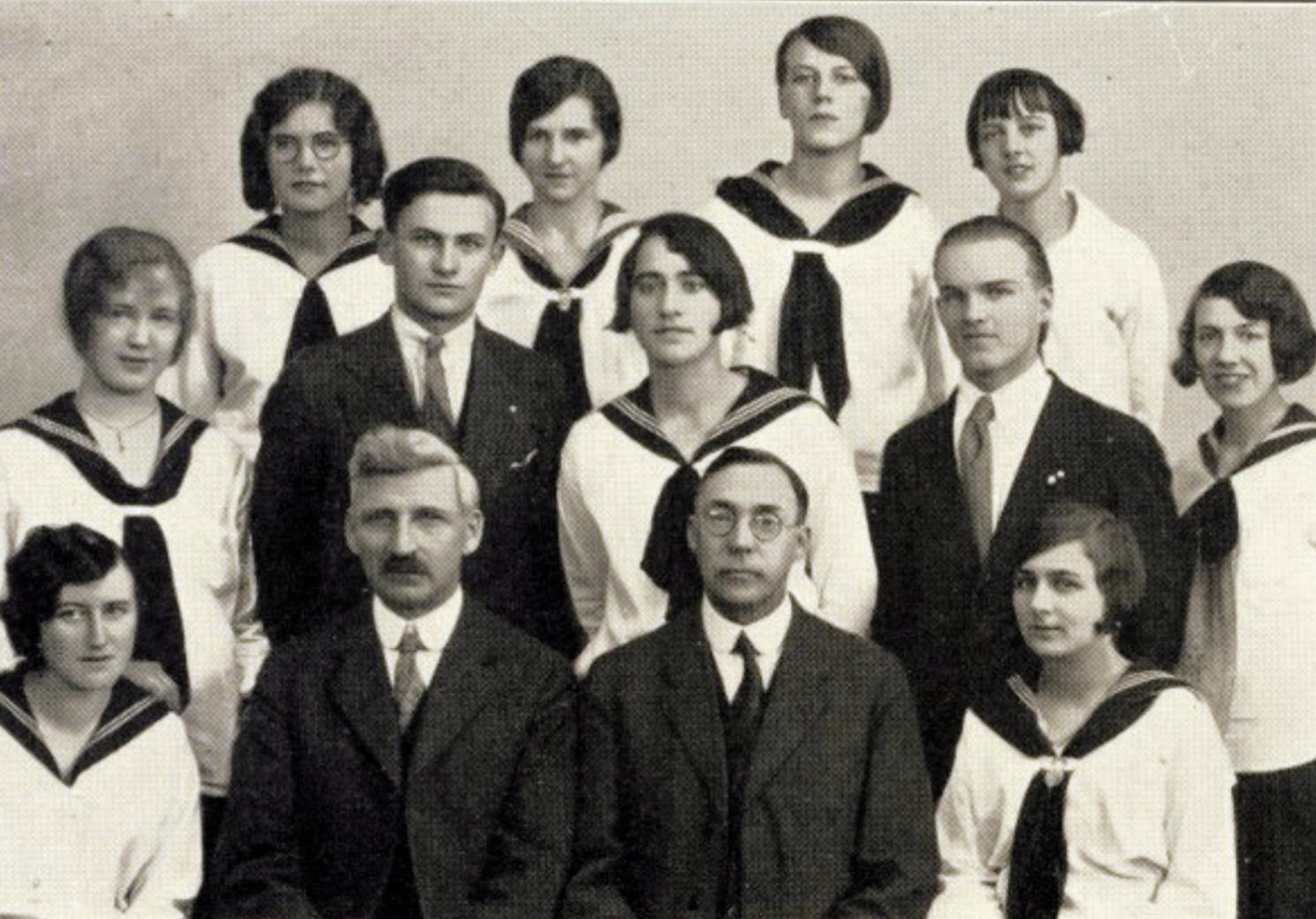
Notice the standard uniform that all female normalites were required to wear (this was abolished in the mid-1930’s while Ricker was principal).